Glossary
What is the EU Machinery Regulation (EU) 2023/1230?
The European law that sets the health and safety requirements machinery must meet to be sold or put into service in the EU.
This page explains the regulation; it is not legal advice, and TwinWorks does not certify compliance. The reference is the official text on EUR-Lex.
Regulation (EU) 2023/1230
Key dates.
Adopted in 2023, applicable from 20 January 2027.
- Machinery Directive 2006/42/EC adopted
- The Directive applies
- Regulation (EU) 2023/1230 published in the Official JournalAdopted on 14 June 2023.
- The Regulation enters into force
- Rules on notified bodies applyArticles 26 to 42.
- The Regulation applies, and the Directive is repealedMachinery placed on the market under the Directive before this date can still be made available.
What it covers.
Machinery and five kinds of related products. The essential health and safety requirements are set out in Annex III.
- Machinery
- Interchangeable equipment
- Safety components
- Lifting accessories
- Chains, ropes and webbing
- Removable mechanical transmission devices
- Partly completed machinery Comes with assembly instructions instead of instructions for use.
What changes from the Machinery Directive.
| Topic | Directive 2006/42/EC | Regulation (EU) 2023/1230 |
|---|---|---|
| Legal form | A directive, transposed into each country’s law | A regulation, directly applicable in every Member State |
| Instructions for use | Supplied with the machine, in practice on paper | On paper or in digital format, under the conditions of Article 10(7) |
| EU declaration of conformity | Supplied with the machine | With the machine, or as an internet address or machine-readable code given in the instructions |
| High-risk machinery | Listed in Annex IV | Listed in Annex I: Part A always needs a notified body; Part B can be self-assessed when harmonised standards or common specifications covering all the requirements are applied |
| New technologies | Not addressed specifically | Requirements for machine learning with self-evolving behaviour, protection against corruption and safety software |
| Substantial modification | Not defined | Defined: whoever substantially modifies a machine takes on the manufacturer’s obligations |
| Technical documentation | Technical file | Technical documentation set out in Annex IV, kept for at least 10 years |
Digital instructions. The conditions of Article 10(7).
Manufacturers may supply the instructions for use in digital format, under conditions.
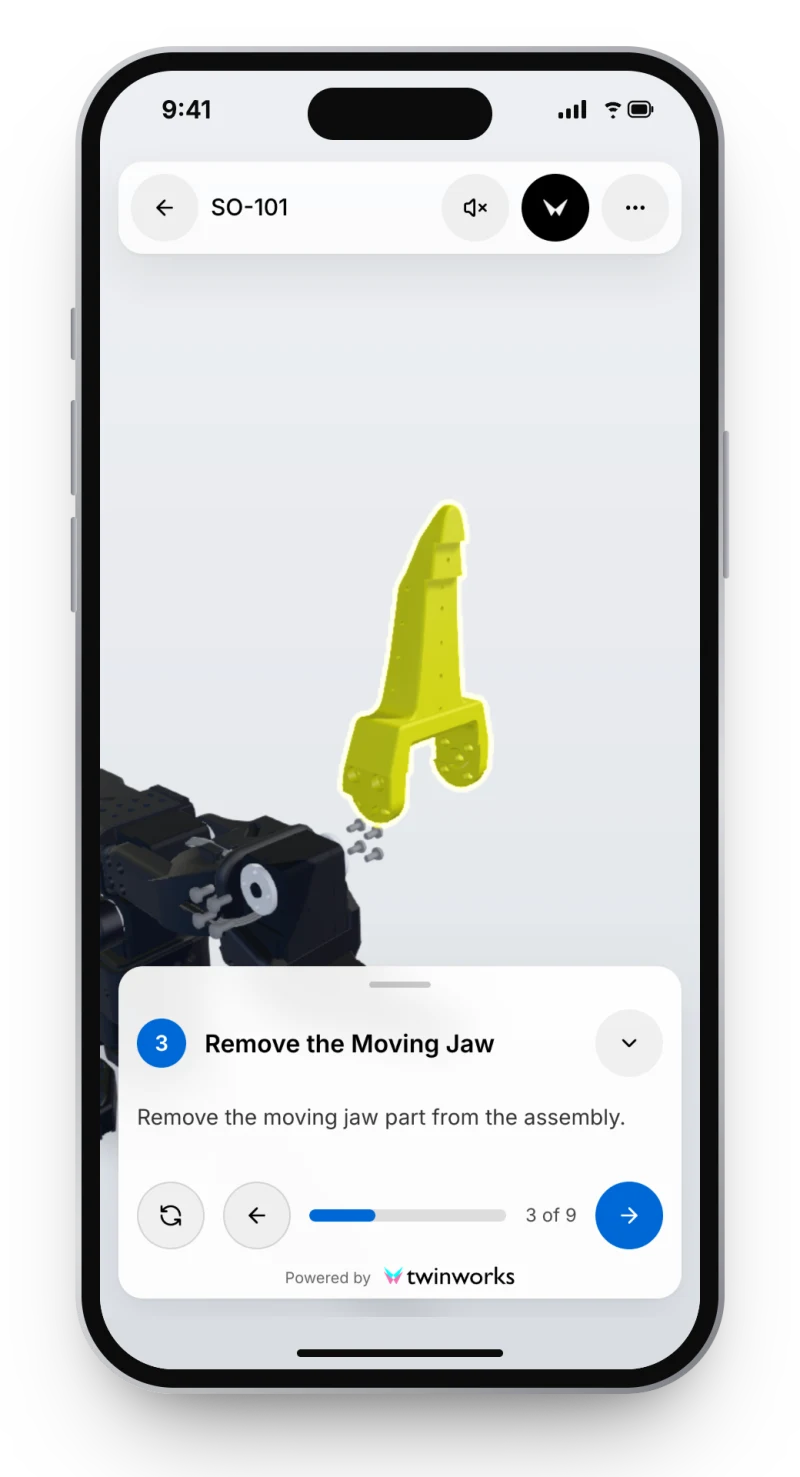
- Describe clearly the product model the instructions belong to.
- Mark on the machine, or else on its packaging or an accompanying document, how to access them.
- Let users print, download and save them on a device, so they can read them at all times, including during a breakdown, also when the instructions are built into the machine’s software.
- Keep them online for the machine’s expected lifetime and at least 10 years after it is placed on the market.
- Supply them on paper, free of charge, within one month, when a user asks at the time of purchase.
- For machinery that non-professional users may use, supply on paper the safety information essential to put it into service and use it safely.
- Write them in a language users easily understand, as each Member State decides.
An amending regulation proposed in 2025, the Omnibus IV package on digitalisation, also touches Regulation (EU) 2023/1230. In early November 2026 it was still awaiting the European Parliament’s vote, so check the consolidated text on EUR-Lex before you finalise your instructions.
What the instructions must contain.
Annex III, section 1.7.4, lists the content of the instructions for use. In summary:
- Identification The manufacturer’s name and address, the designation of the machine, and the EU declaration of conformity or where to find it.
- Description A general description, the intended use, warnings against foreseeable misuse, the operators’ workstations, and the drawings and diagrams needed for use, maintenance and repair.
- Installation Assembly, installation and connection, how to reduce noise and vibration, safe transport, handling and storage with the masses involved, and the conditions for stability.
- Safe use Putting into service, operator training, the residual risks, the protective measures and protective equipment, and the tools that can be fitted.
- Maintenance Adjustment and maintenance by the user, preventive maintenance, how to do it safely, the spare parts to use when they affect safety, and what to do after an accident, a breakdown or a blockage.
- Emissions and rescue, where they apply Airborne noise values, non-ionising radiation, hazardous substances, and how to rescue people.
The instructions must also take reasonably foreseeable misuse into account, and, for non-professional users, be worded for their level. Maintenance instructions for specialised staff mandated by the manufacturer may be in a single EU language that those staff understand.
Questions
What is the EU Machinery Regulation (EU) 2023/1230?
The EU Machinery Regulation, Regulation (EU) 2023/1230, is the European law that sets the health and safety requirements machinery must meet to be sold or put into service in the EU. It replaces the Machinery Directive 2006/42/EC and applies from 20 January 2027. As a regulation, it applies directly in every Member State, without national transposition. Among other changes, it lets manufacturers supply the instructions for use in digital format, under conditions.
When does the EU Machinery Regulation apply?
From 20 January 2027. On that date Regulation (EU) 2023/1230 replaces the Machinery Directive 2006/42/EC. Machinery placed on the market under the Directive before then can still be made available afterwards.
Can machine instructions be supplied only in digital format?
Yes, under Article 10(7): the machine must say how to reach them, users must be able to print, download and save them, and they must stay online for the machine’s expected lifetime and at least 10 years. Users can still ask for paper at the time of purchase, and machinery that non-professionals may use needs its essential safety information on paper.
What is the difference between the Machinery Directive and the Machinery Regulation?
The Directive had to be transposed into each country’s law; the Regulation applies directly in every Member State. It also allows digital instructions, adds requirements for software, machine learning and protection against corruption, and defines substantial modification.
Does the Machinery Regulation replace CE marking?
No. Machinery still carries the CE marking after its conformity assessment, with an EU declaration of conformity, which can now be supplied as an internet address or a machine-readable code.
Check your instructions against the Regulation
Go through the instruction requirements of Regulation (EU) 2023/1230 one by one with the free checklist. It is a working aid, not legal advice.
If you need help, TwinWorks restructures manuals for web and PDF publication and writes the missing sections with your experts: see the technical writing services.
Documentation published with TwinWorks opens in a browser from a link or a product QR code, and manuals can also be published as PDF. Your team keeps responsibility for conformity; TwinWorks does not certify compliance.
Updated