




Technical Publications
Author once. Publish with control.
Structured manuals and publications keep revision history and source provenance together.
Explore technical publicationsAI documentation and 3D work instructions
Draft manuals from your PDFs and engineering data, and add a 3D model for visual work instructions. When a part changes, see every page it touches. Your experts approve every release. Share it publicly or keep it private.
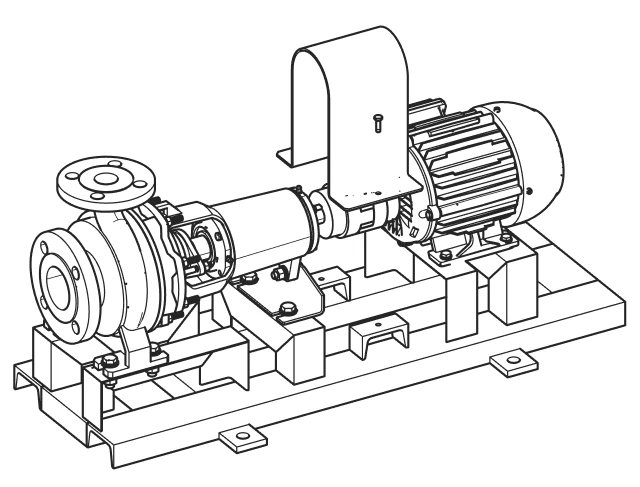
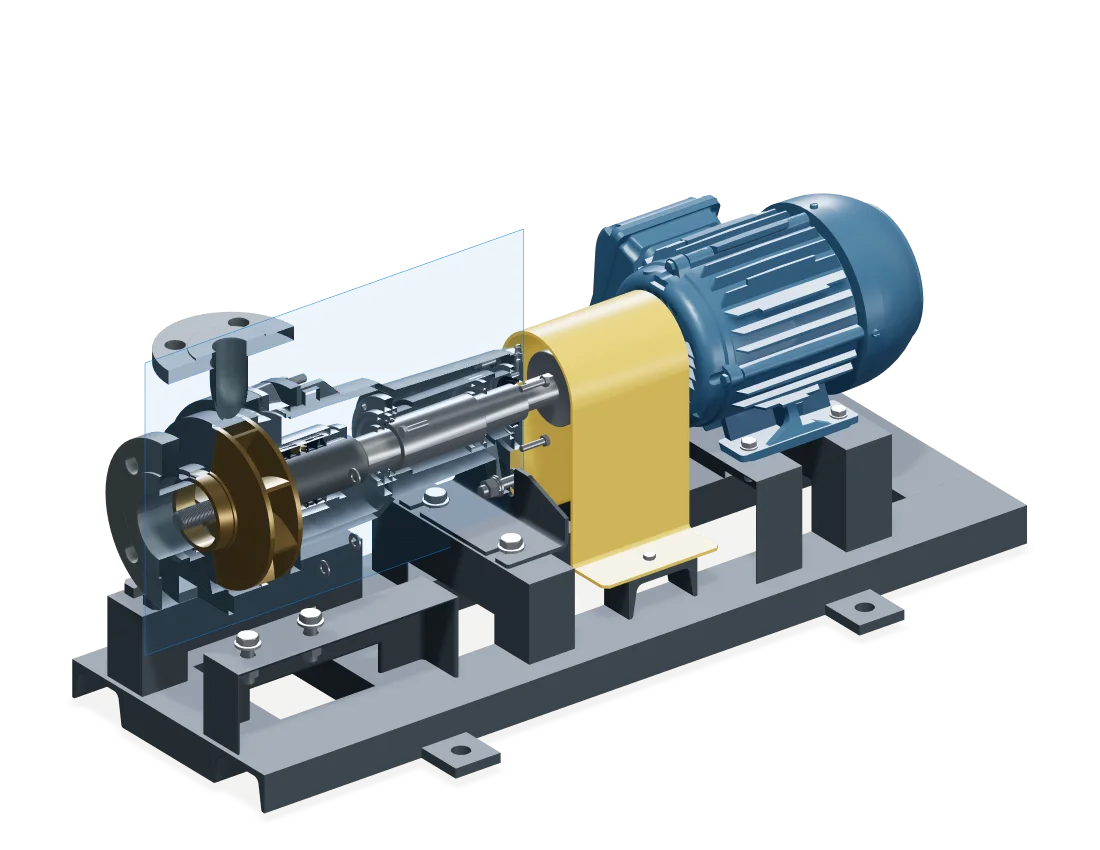
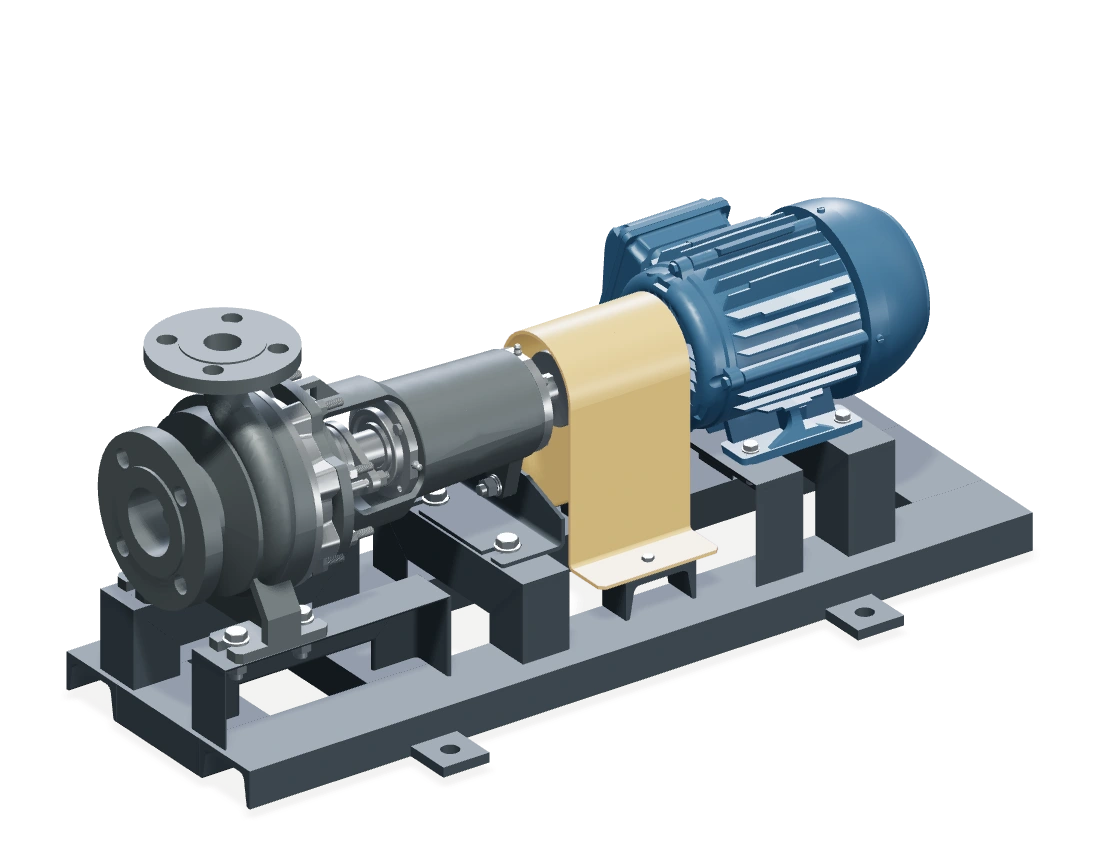
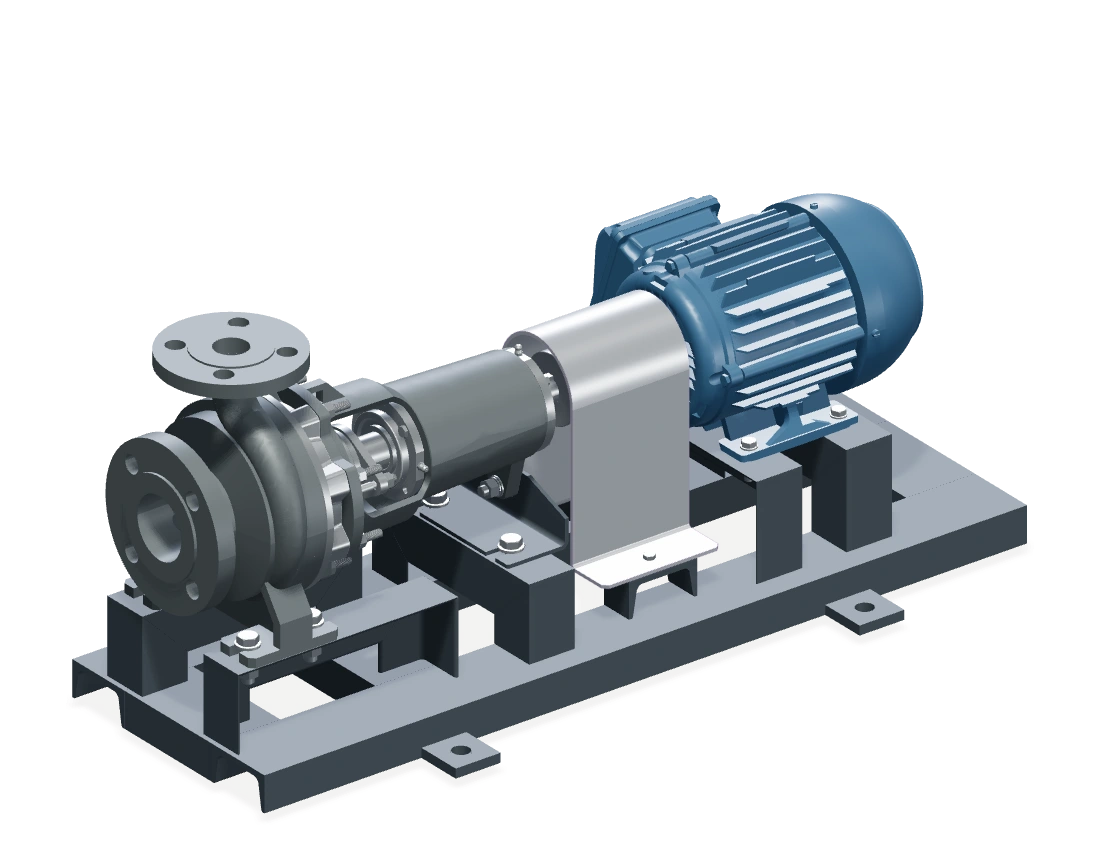
Engineering files become a coupling-inspection guide for the CP-200 pump. A second request creates a PDF manual from the same model and instructions. The yellow coupling guard is replaced with a stainless-steel version. An input above the machine types “Update the documentation.” As the documents appear, connecting lines carry pulses from the revised guard to the maintenance manual, parts list and service instructions in turn. Each arriving pulse highlights the affected content, advances the document to revision 03 and reveals a checkmark. The revised machine remains connected to all three updated documents beneath “Every output. One truth.” Illustrative documentation workflow with authored geometry states and document changes, not a live generation or automatic publication. Experts review source facts, visual actions and revisions; CP-200 is a demonstration identifier.

Supported by







The platform
Bring what you have. Experts approve what goes out.
Manuals, 3D models, schematics, narrated video, source code and your experts’ know-how.
Supported inputsTwinWorks reads each source, finds what belongs together and links every block to where it came from.
See the maintenance examplePublications, S1000D modules, 3D work instructions, training and translations, all from the same approved content. Plus an AI assistant that answers from it.
Digital work instructions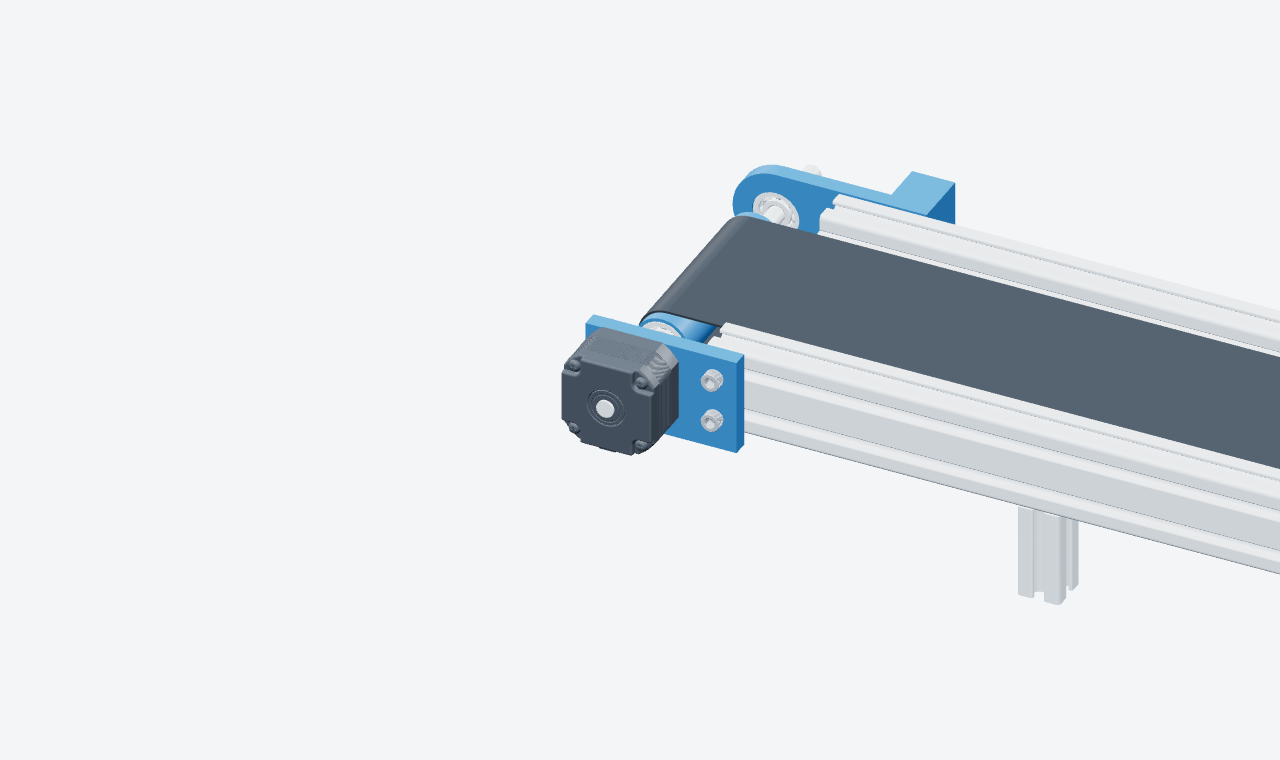
 AssistantProduct twin · Conveyor drive
Mount the drive motor.
Worked through 5 actions
Done. The drive motor is mounted.
Keep it current
TwinWorks finds the documents linked to the changed part and sends each suggested update to the right expert. Nothing is published until they approve it.
Where this is used4
When the line stops
Ask a question.
Find answers in your documents.

Which tools do I need?
You’ll need:
MP-142 · Rev. C
§4.2 · Compressor X120–X140
Create each team’s format from the same source. When it changes, review and publish the linked updates.
Technical Publications
Structured manuals and publications keep revision history and source provenance together.
Explore technical publicationsTraining
Interactive training built from the same approved content as your manuals.
Explore technical training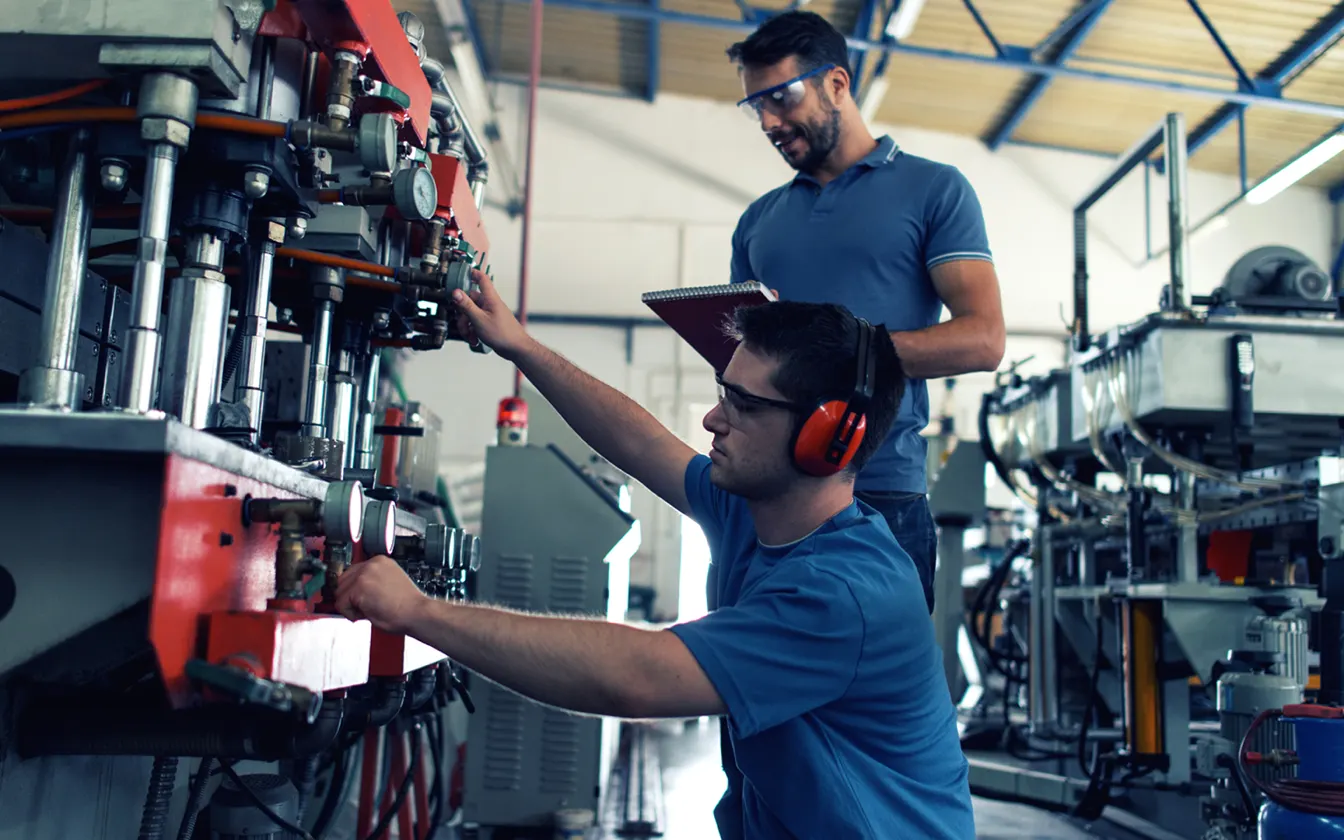
Coupling inspection
CP200-MM · Rev 03
Start
Assembly
Interactive work instructions show every operator the same approved steps.
Explore assembly work instructions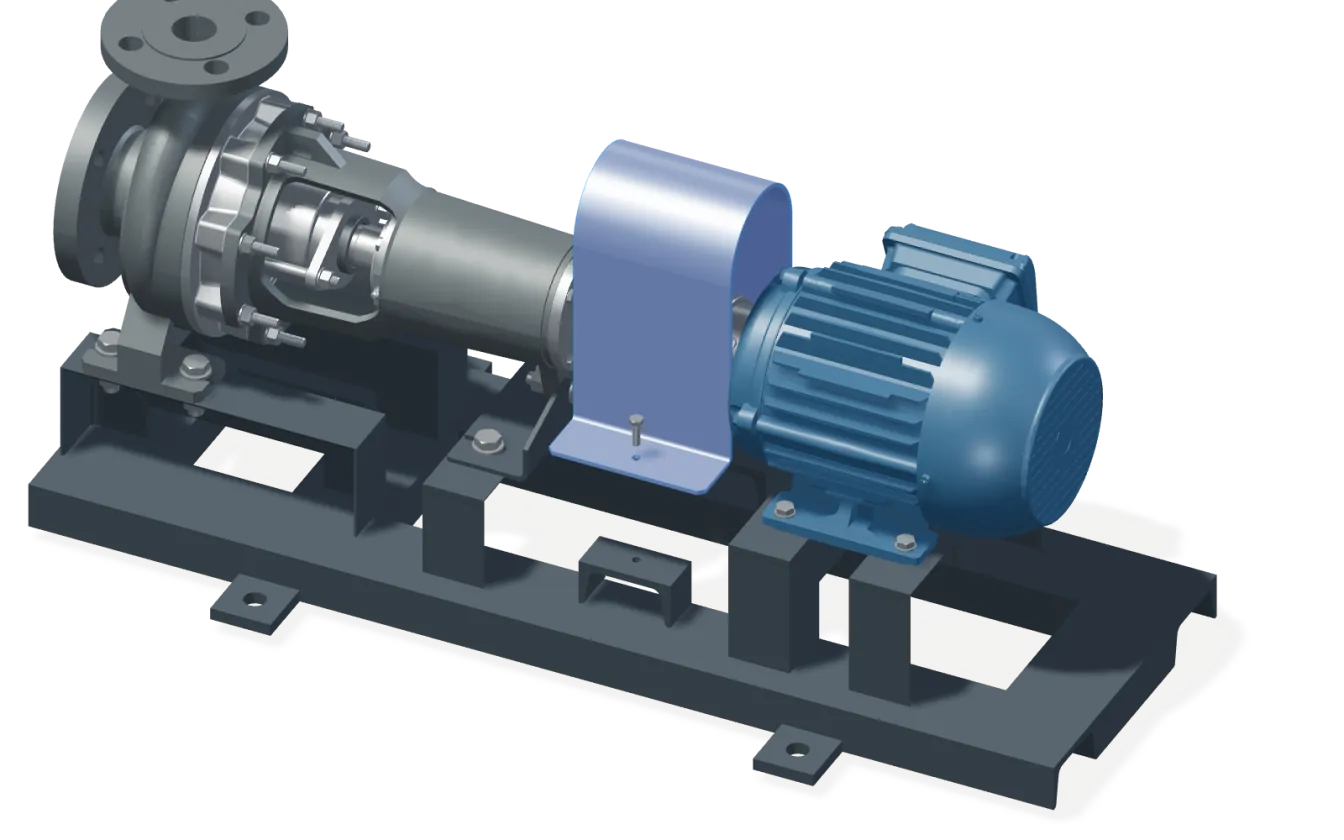
CP200-07B
3Fit the coupling guard
Lower guard CP200-07B onto its seat.
3 of 3Finish
Quality Control
Optional photos, statuses, durations, and comments support quality review.
Explore quality control instructionsMaintenance
Technicians follow step-by-step guidance taken from the published procedure.
Explore maintenance instructions
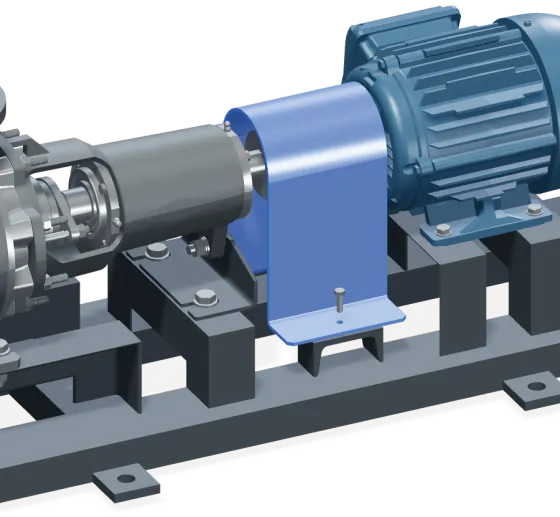 WARNINGIsolate the equipment first.
1Remove the coupling guard
1 of 3
WARNINGIsolate the equipment first.
1Remove the coupling guard
1 of 3
Industry
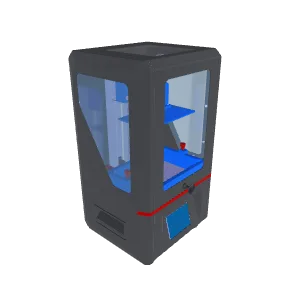
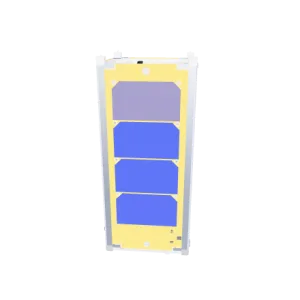
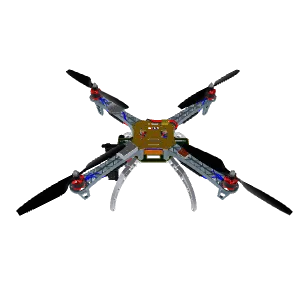
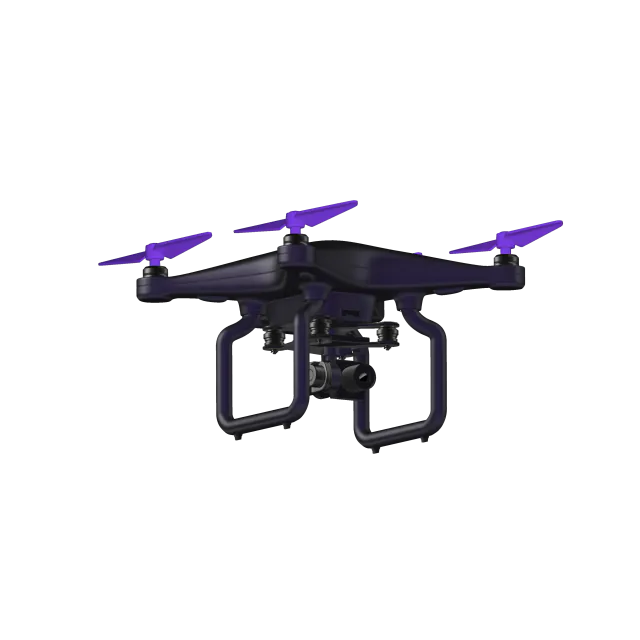
Aerospace documentation often demands rigorous structure, configuration control, and review. TwinWorks keeps modular content and the history of every approved revision, from the factory floor to the flight line.
View demo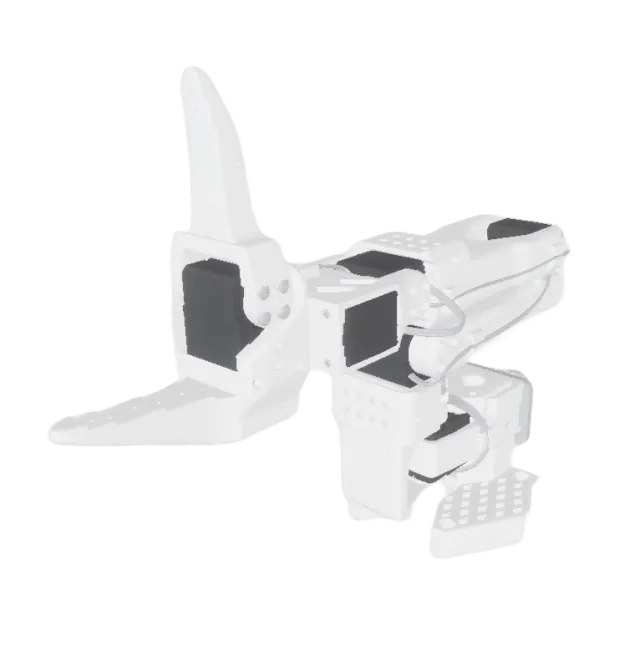
Industry
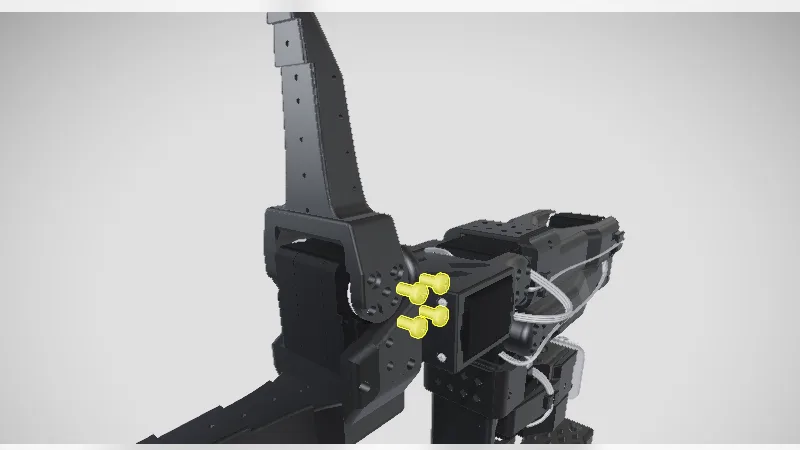
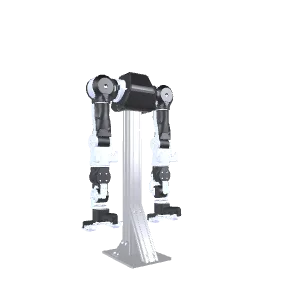
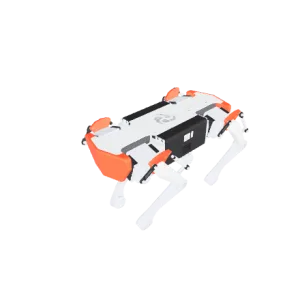
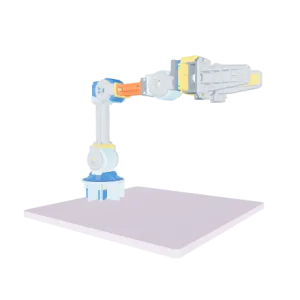
Deliver accurate 3D documentation for assembling, calibrating, and servicing robotic systems, helping technicians follow each motion and connection with confidence.
View demo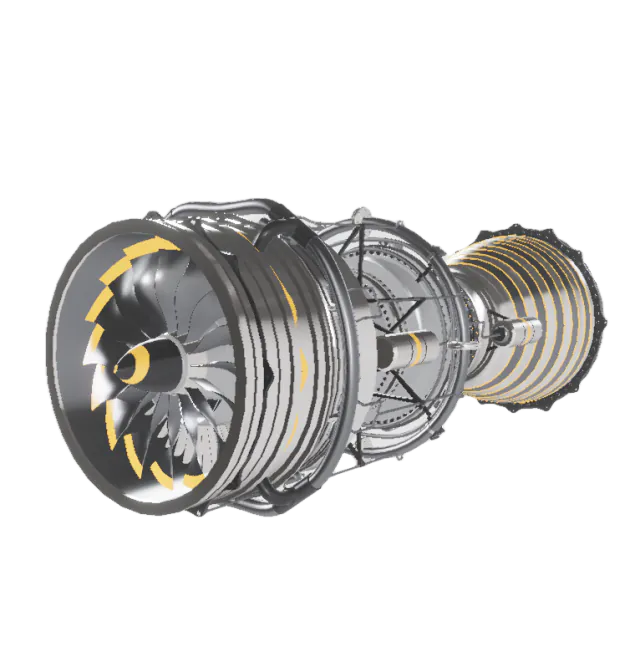
Industry
Bring complex machinery and production workflows to life with interactive 3D documentation that supports training, clarifies complex tasks, and helps teams avoid costly mistakes.
View demoCommunity
Real projects with 3D instructions, design files and licences. Free to open.
Why TwinWorks
Technical authoring and frontline execution are often managed separately. TwinWorks connects both to the engineering data and reference documents that define the product.
| Capability | Traditional CCMS | Work-instruction tool | Generic AI |

|
|---|---|---|---|---|
| Structured technical publications | ✓ | Limited | Limited | ✓ |
| Interactive work instructions | Limited | ✓ | Limited | ✓ |
| 3D and engineering inputs | Integration-heavy | Limited | Uncontrolled | ✓ STEP import beta |
| Shows the pages a change affects | Sometimes | Rarely | No | ✓ |
| Technical-document review and approval | ✓ | Sometimes | No | ✓ |
| Training from the same content | Limited | Sometimes | No | ✓ |
| Execution evidence and reports | Limited | ✓ | No | ✓ |
TwinWorks turns CAD, drawings and manuals into technical documentation and 3D work instructions, and keeps them current when the product changes. It brings 3D models, engineering data, and existing PDF or Word manuals into one documentation workspace. Teams use it to create manuals, interactive work instructions, training material, and execution reports; your experts edit, review, and approve every release.
Technical documentation software helps companies create, manage, and deliver the documents that describe how a product is built, operated, and maintained: manuals, work instructions, SOPs, troubleshooting guides, and training material. TwinWorks uses AI to prepare review-ready drafts from linked manuals and parsed engineering data. Experts edit, review, approve, version, and publish technical-document revisions.
TwinWorks imports existing PDF or Word manuals into editable drafts and uses them as reference sources. It reads engineering structures from QElectroTech, KiCad, 3DXML, and STEP or STP files; STEP import is in beta. For interactive 3D work instructions, it accepts OBJ, FBX, GLB, self-contained GLTF, and USDZ models. AI procedure drafts use reference PDFs. Imported models provide geometry and available assembly structure; authors create or review visual actions, with CAD-aware assistant proposals available in the editor. Procedures can also be written without a 3D model.
Yes. TwinWorks exports descriptive and procedural S1000D data modules next to its web and PDF publications. Tell us which S1000D issue and business rules (BREX) you work to, and we’ll confirm the setup with you.
TwinWorks keeps content in reusable modules with revision history and a record of where each part came from. When a source changes, it shows the pages that depend on it and flags broken references, outdated embedded procedures, and shared dependencies for expert review. When a procedure is carried out, it records step status, duration, comments, and optional photos.
TwinWorks is built for industrial manufacturers whose documentation is mission-critical, such as aerospace and defense, machinery and equipment, robotics, and energy. Its workflows center on structured content, expert review, and revision history.
A CCMS manages structured manuals; a work-instruction app runs procedures on the shop floor. TwinWorks connects both to engineering: manuals and 3D work instructions come from the same reviewed source, and a product change shows every document it touches. See the comparisons.
Published documentation opens in the TwinWorks web viewer in a browser, and manuals can also be published as PDF. AR guidance is a limited beta for prepared setups.

Bring your manual and your CAD model. Get instructions your team can follow, and keep them current as the product changes.
Not ready? Animate a model